What 'Free Money' Actually Means on Dark Web Sites
When people search for free money on the dark web, they typically encounter one of three categories: fake cryptocurrency giveaways, phishing clones of legitimate services, and outright scam forums offering to teach you how to commit fraud.
Fake giveaways usually promise to double or triple your cryptocurrency if you send a small amount first. This is a classic advance-fee scam. The attacker's wallet address looks similar to a real project's address, and the scammer disappears after collecting deposits.
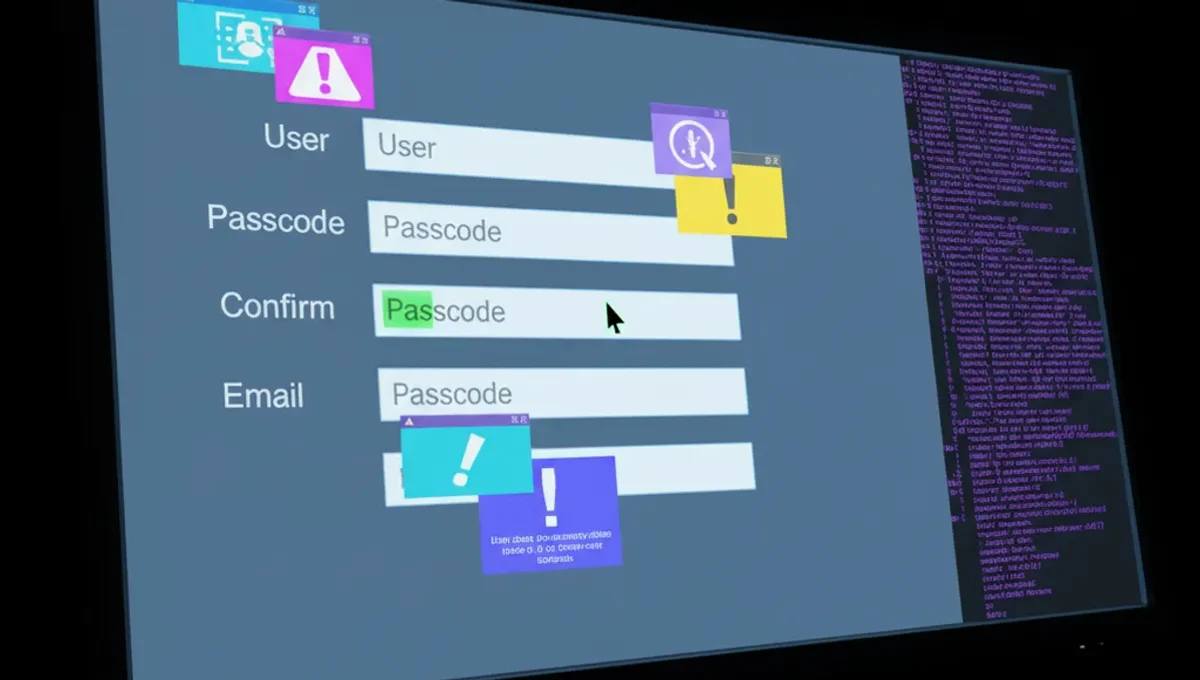
Phishing clones copy the layout and branding of real dark web sites or services, then ask you to log in or verify your identity. Once you enter your credentials, the attacker has access to your account. These clones spread through forums and Reddit communities where people share links without verifying them first.
Fraud forums teach carding, account takeover, and other illegal techniques. These are not money; they are instructions for committing crimes, and following them exposes you to both law enforcement and other criminals who will exploit you.
How Scams on Dark Web Free Sites Work
Scammers exploit the anonymity of the dark web and the desperation of people looking for quick money. The mechanics are consistent across most schemes.
First, the attacker creates a believable story. They might pose as a cryptocurrency project, a lottery winner, or someone with access to seized funds. They use professional-looking graphics and copy language from legitimate dark web websites for money or services.
Second, they lower your guard with a small ask. Send 0.1 Bitcoin to verify your account. Confirm your identity by logging in. Download this file to claim your reward. Each step feels reasonable in isolation.
Third, they extract value. If you send cryptocurrency, it vanishes into a mixer or exchange. If you log in, your credentials are harvested and sold or used to access your real accounts. If you download a file, it may contain malware that logs your keystrokes or steals your wallet seed.
The reason these scams persist is that they work at scale. Even if only one in five hundred people falls for the scheme, the attacker profits. The dark web's anonymity means they face almost no consequence for running the same scam under different names.
Legitimate Ways People Earn on Tor and Onion Services
There are legitimate activities on dark web websites for money, though they are not free and they are not passive income.
Some people provide services: writing, coding, graphic design, or security testing. These are advertised on forums and marketplaces, and payment is negotiated directly. The work is real, the payment is real, but it requires skill and reputation. You are competing with thousands of other service providers.
Others participate in bug bounty programs run by security researchers or organizations. These programs pay people to find vulnerabilities in software or services. The payment is legitimate and documented, but the barrier to entry is high. You need technical knowledge and the ability to prove your findings.
A small number of people earn money by selling information or data. This is legally and ethically murky. Some sell data about data breaches, others sell guides or tutorials. The market is crowded and the payouts are low unless you have access to something genuinely rare.
None of these are free. All require either skill, time, or access to something valuable. The phrase free money on dark web is a contradiction. If money is changing hands, someone is providing something in return, or someone is being defrauded.
Why Phishing Clones and Fake Addresses Spread
Phishing clones of popular dark web sites proliferate because verification is difficult and trust is scarce. When you visit a .onion address, you have no way to confirm you are at the real site unless you verify the address against a PGP-signed announcement from the operators.
Attackers register similar-looking addresses by changing one or two characters. A real address might be something like thehiddenwiki[dot]onion, and the clone might be thehiddenwiki2[dot]onion or thehiddenwiiki[dot]onion. On a small screen or in poor lighting, the difference is invisible.
These clones are then promoted in forums, Reddit communities, and chat groups. Someone posts a link claiming it leads to a site offering free money on dark web services. The clone looks identical to the real thing. You log in, thinking you are accessing your account, and the attacker captures your credentials.
The reason this works is that most people do not verify addresses. They assume that if a link was shared by someone in a trusted community, it must be legitimate. This assumption is dangerous. The person sharing the link may not have verified it either, or they may be the attacker themselves using a fake account.
Reality Check: What Security Research Reveals
Security researchers who study dark web marketplaces and forums have documented consistent patterns about money-making schemes.
According to incident reports from security vendors who monitor onion services, the majority of sites advertising free money or easy earnings are either phishing operations or malware distribution points. This matters because it means your risk of losing money or credentials is extremely high if you engage with these sites.
Law enforcement agencies have documented that many people who fall for dark web scams do not report the loss. They are embarrassed, or they fear legal consequences if they admit they were trying to access illegal services. This creates a reporting bias that makes the true scale of losses invisible, but it also means scammers face minimal accountability.
Academic research on onion services has shown that the median lifespan of a dark web marketplace is under two years. Many close due to law enforcement action, exit scams, or technical failure. This instability means that even if you find a legitimate site offering money for work, it may disappear before you are paid. The lack of legal recourse means you have no way to recover your effort or any upfront investment.
Recognizing and Avoiding Common Traps
Before you visit any dark web site claiming to offer free money or easy earnings, check these warning signs.
The site promises returns that sound too good to be true. Doubling your cryptocurrency in days, earning thousands for minimal work, or receiving free funds with no strings attached. These are red flags.
The site asks you to log in with credentials from another service. Real dark web sites do not ask you to authenticate with your email or social media account. If a site asks you to do this, it is harvesting credentials.
The site requires you to download software or a file before you can access the service. Legitimate services run in your browser. Requiring a download is a common malware distribution technique.
The site has no verifiable history or reputation. Check the Useful Resources page on this site for guidance on how to verify addresses and find PGP-signed announcements from real projects. If you cannot find any independent confirmation that a site is legitimate, assume it is not.
The site uses poor grammar, spelling errors, or awkward phrasing. Professional operations, even illegal ones, usually employ people who speak the language well. Sloppy writing is often a sign of a hastily constructed scam.
What to Do If You Have Already Been Targeted
If you have sent money to a dark web site promising free money, or if you have entered your credentials on a suspicious site, take these steps immediately.
- Change the password on any account that used the same or similar credentials. Do this from a clean device, not the one you used to access the dark web site.
- If you sent cryptocurrency, monitor the wallet address you sent it to using a blockchain explorer. You cannot recover the money, but you can document the loss for your records.
- Check your email and any linked accounts for unauthorized activity. Look for password reset attempts, login alerts from unfamiliar locations, or changes to recovery information.
- If you downloaded a file from the site, assume it may contain malware. Disconnect the device from the internet, restart it in safe mode, and run a full antivirus scan using updated definitions.
- Do not send more money in an attempt to recover your loss. This is a common follow-up scam where the attacker poses as a recovery service.
If you lost a significant amount of money or if you suspect your personal information was compromised, consider reporting the incident to your local law enforcement agency. They may not be able to recover your money, but the report creates a record that can help identify patterns in scam activity.
Moving Forward: Safe Alternatives to Seeking Free Money
The core lesson is that free money does not exist on the dark web or anywhere else. If you are looking for additional income, the dark web is one of the least reliable places to find it. The anonymity that makes the dark web attractive to privacy advocates also makes it attractive to criminals, and the two populations overlap in ways that create constant danger.
If you need money, legitimate options exist: freelance work on mainstream platforms, gig economy jobs, skill-based services, or employment. These require effort and time, but they do not expose you to scams, malware, or law enforcement scrutiny.
If you are interested in the dark web for privacy or security reasons, that is a separate question. Learning how Tor works, how to use it safely, and how to verify addresses is valuable knowledge. But that knowledge should not be mixed with the false hope that the dark web contains hidden wealth waiting for you. It does not.
Start by reading the Useful Resources page on this site to understand how to verify onion addresses and identify phishing clones. Then, if you choose to explore the dark web, do so with realistic expectations and strong operational security. The dark web is a tool, not a money machine.
Common Questions
Is there actually free money on the dark web
No. What exists are scams, phishing schemes, and malware. Attackers use the anonymity of the dark web to run advance-fee schemes, credential harvesting operations, and fake giveaways. If money is involved, someone is either being defrauded or committing a crime.
How do dark web free money scams work
Scammers create believable stories and ask for a small initial action: send cryptocurrency, log in to verify your account, or download a file. Once you comply, they steal your money, credentials, or install malware. The scam works at scale because even a tiny success rate is profitable for the attacker.
How can I tell if a dark web site is a phishing clone
Verify the address against a PGP-signed announcement from the real operators. Check the Useful Resources page on this site for guidance. Phishing clones use similar-looking addresses with one or two characters changed. If you cannot independently confirm the address is legitimate, assume it is not.
What should I do if I already sent money to a dark web scam
Change your passwords immediately from a clean device. Monitor the cryptocurrency wallet address using a blockchain explorer. Check your email and linked accounts for unauthorized activity. Do not send more money to a recovery service; that is a follow-up scam. If you lost a significant amount, report it to local law enforcement.
Are there any legitimate ways to earn money on the dark web
Yes, but they are not free. People earn money by providing services like coding or writing, participating in bug bounty programs, or selling information. All require skill, time, or access to something valuable. The work is real, but the barrier to entry is high and competition is intense.