What Are Dark Web Prank Websites
Dark web prank websites fall into a few categories. The first are phishing clones: fraudsters copy the appearance of legitimate dark web forums, markets, or news sites, then use shock tactics or fake 'prank' content to lure visitors into entering credentials or downloading malware. The second category is shock-value content farms hosted on the clearnet but marketed as 'dark web' material to attract clicks and ad revenue. The third are social engineering schemes that pose as pranks to lower a visitor's guard before requesting personal information or payment.
These sites exploit the dark web's reputation for extreme content and anonymity. A visitor searching for 'dark web best website' or 'dark web access website' may stumble on a prank site that promises to show them something forbidden or dangerous, then either steals their data or exposes them to malware. The prank framing is intentional: it makes the site seem less serious and more forgivable if something goes wrong.
How Prank Sites Exploit Curiosity
Prank websites rely on a visitor's curiosity and fear of missing out. They use sensational headlines like 'You won't believe what's on the dark web' or 'This prank went too far,' then deliver either nothing of value, malicious code, or a phishing form. Some redirect to legitimate dark web browser website guides but inject tracking code or credential-stealing overlays. Others claim to be 'pranks' to avoid legal liability while actually running scams.
The social engineering works because the word 'prank' signals low stakes. A person who would never enter their password on a site claiming to be a dark web market might do so on a site framed as a joke. This psychological manipulation is deliberate. Attackers know that fear and curiosity override caution, especially when the framing suggests no real harm.
Phishing Clones and Credential Theft
Phishing clones of legitimate dark web sites are among the most dangerous prank-adjacent threats. An attacker creates a near-identical copy of a real forum or news site, then uses social engineering or search engine poisoning to direct traffic to the fake version. Once a visitor logs in, their credentials are captured. The attacker then uses those credentials to impersonate the user, steal cryptocurrency, or sell the credentials to other criminals.
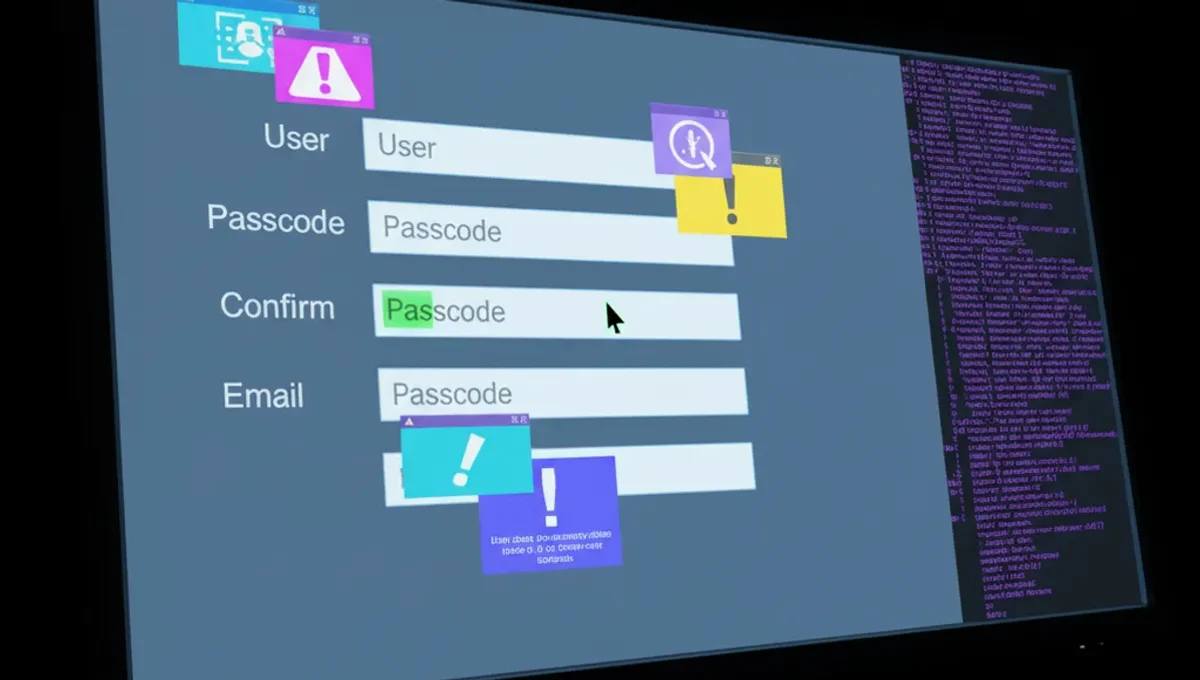
These clones often include prank-like elements to seem less threatening. A fake 'dark web hacking website' might display a joke or a fake 'system compromised' message, then ask the user to re-enter their password to 'verify' their account. By the time the user realizes it's a scam, their real account has been compromised. The Tor Project documentation warns that phishing is the most common attack vector against onion service users, and prank framing is a common social engineering tactic.
Malware Distribution Through Prank Content
Some prank websites are delivery mechanisms for malware. A site might promise to show you a 'crazy dark web link' or a 'real website' with extreme content, then offer a download that claims to be a video, image, or tool. The download is actually malware: a keylogger, a remote access trojan, or ransomware. The prank framing makes the user less likely to scan the file with antivirus software before opening it.
Once installed, the malware can steal cryptocurrency wallets, harvest passwords, monitor your activity, or encrypt your files for ransom. The attacker profits whether the user falls for the prank or not. If the user realizes it's a scam, the damage is already done. If the user blames themselves for being gullible, they're less likely to report it or warn others.
Reality Layer: How These Threats Actually Work
Three key insights shape the threat landscape around prank websites:
1. Phishing is the primary attack vector on onion services. According to Tor Project documentation, most compromises of onion service users result from credential theft via phishing or clone sites, not from technical vulnerabilities in Tor itself. This matters because it means your biggest risk is social engineering, not anonymity failure. Prank framing is a proven social engineering tactic.
2. Search engine poisoning is common. Attackers use SEO manipulation, paid search ads, and social media to rank fake prank sites above legitimate resources. A person searching for 'dark web access website' or 'dark web browser website' may see a malicious clone in the top results. Law enforcement and security vendors report this regularly in incident summaries.
3. Prank framing provides legal and psychological cover. By calling a scam a 'prank,' an attacker can claim plausible deniability if caught, and can lower a visitor's guard. This is documented in security-vendor incident reports on social engineering campaigns. Understanding this tactic helps you recognize when a site is using humor to manipulate you.
Recognizing and Avoiding Prank Sites
To protect yourself, follow these steps:
1. Verify addresses using PGP-signed announcements. If you're looking for a specific dark web site, find its official announcement on a trusted source (the site's Twitter account, a security mailing list, or a verified forum thread), and check the PGP signature.
2. Never enter credentials on a site you found via search or social media. Always navigate directly to a site by typing its address in your browser, or by following a PGP-signed link from an official source.
3. Be skeptical of sites that use prank framing to lower your guard. If a site says 'this is a prank' or 'this is just for fun,' but asks for personal information or a download, treat it as a threat.
4. Use a dedicated device or virtual machine for dark web browsing. If you do accidentally download malware, isolation limits the damage.
5. Keep your Tor browser and operating system updated. Security patches close vulnerabilities that malware exploits.
Moving Beyond Prank Sites to Real Resources
If you're genuinely interested in understanding the dark web, ignore prank sites and focus on legitimate technical and historical resources. The Tor Project's official documentation explains how onion services work and how to verify addresses. Academic research on darknet markets provides historical context without sensationalism. Security vendor reports on ransomware, data breaches, and law enforcement actions offer real-world examples of how threats operate.
The key takeaway is this: the dark web is not a prank, and sites that frame it as one are usually trying to manipulate you. Real information about dark web access, dark web hacking, and dark web security is available from official sources, not from shock-value content farms. Spend your time on those resources instead. Visit the Useful Resources page of this site to find verified links to Tor documentation, security advisories, and law enforcement announcements. These sources will give you accurate information without the manipulation.
Common Questions
Are dark web prank websites real or fake
They are real sites, but most are either phishing clones, malware delivery mechanisms, or shock-value content farms. They are not pranks in the harmless sense. They use prank framing as a social engineering tactic to lower your guard and steal credentials or distribute malware. Treat any site that uses prank language while asking for personal information as a threat.
Can I get malware from a dark web prank website
Yes. Many prank sites distribute malware disguised as videos, tools, or images. Once installed, the malware can steal passwords, monitor your activity, or encrypt your files for ransom. Always verify the source of any download, use antivirus software, and consider using a virtual machine for untrusted content.
How do I know if a dark web site is real or a phishing clone
Verify the address using PGP-signed announcements from official sources. Never enter credentials on a site you found via search or social media. Always navigate directly by typing the address or following a verified link. If you are unsure, check the Useful Resources page of this site for verified links to legitimate dark web resources.
Why do scammers use prank framing for dark web scams
Prank framing lowers a visitor's guard and makes them less likely to report the scam or warn others. It also provides the attacker with plausible deniability if caught. Security vendors document this as a common social engineering tactic. Understanding this manipulation helps you recognize when a site is trying to exploit you.
What should I do if I clicked a dark web prank site link
If you only visited the site without entering credentials or downloading anything, you are likely safe. If you entered a password or downloaded a file, change your password immediately on the real site, scan your device with antivirus software, and consider running a full system check. If you suspect malware, use a clean device to change passwords for sensitive accounts.