What the Deep Web Actually Is
The deep web comprises any internet content not indexed by Google, Bing or other search engines. This includes password-protected services like your bank account, email inbox, subscription databases, medical portals and paywalled news sites. None of these require special software to access. The term 'deep web free' often misleads people into thinking there is a hidden marketplace or library waiting to be unlocked. In reality, most deep web content is mundane: corporate intranets, legal documents, academic journals behind institutional paywalls. The dark web, by contrast, is a small subset of the deep web deliberately configured for anonymity using Tor or similar overlay networks. Confusing these two is how many people end up disappointed or worse, defrauded by scams promising 'free deep web access' or 'best deep web links' to illegal marketplaces.
How Tor Browser Enables Free Access
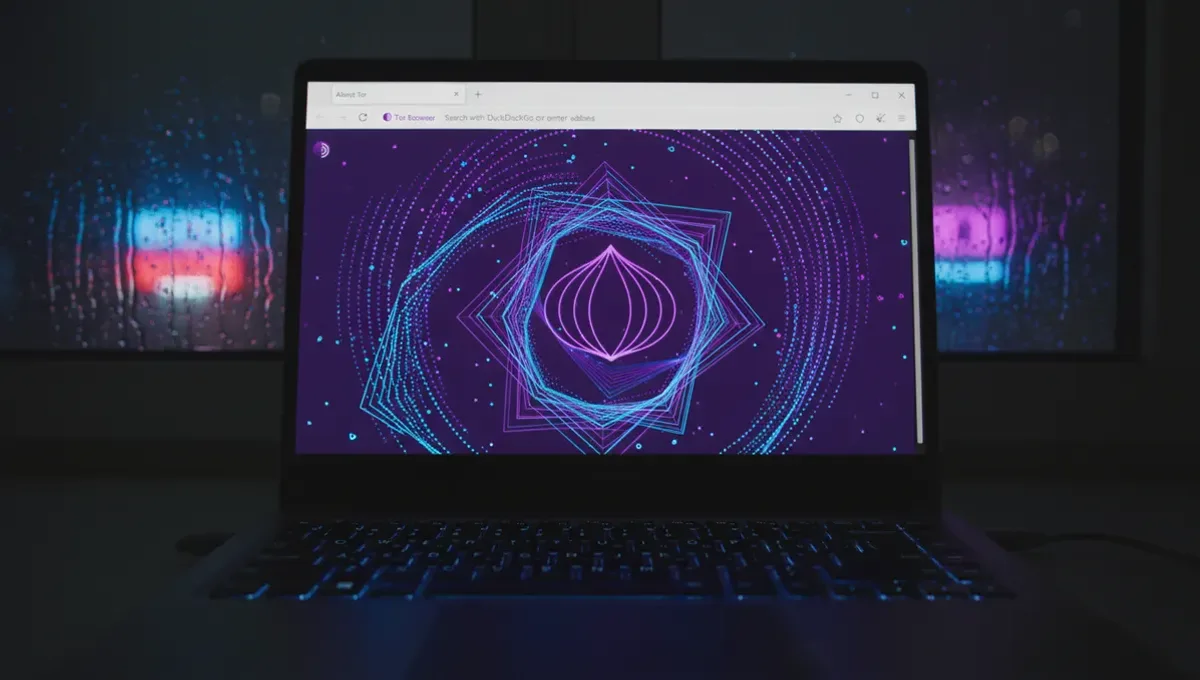
Tor Browser is free, open-source software maintained by the Tor Project. It routes your traffic through multiple encrypted relays, making your IP address and location difficult to trace. Download it from the official Tor Project website only, never from third-party sources. Tor Browser works on Windows, macOS, Linux, Android and iOS. Once installed, it functions like a regular web browser but connects to the Tor network automatically. You can then visit standard websites with added privacy, or access .onion sites, which are services hosted on the Tor network itself. The software is legal in most countries and used by journalists, activists, and ordinary people seeking privacy. However, Tor is not a magic shield: your behavior online still matters, and law enforcement has successfully traced Tor users through operational security mistakes, not through breaking Tor itself.
What You Can Actually Find Free
Free deep web and dark web content includes archived news, discussion forums, privacy guides, and educational resources. The Hidden Wiki is a directory of .onion links maintained by volunteers, listing services from email providers to libraries. ProPublica, a news organization, maintains a Tor mirror for readers in censored regions. Libraries like Standard Ebooks offer free books. Many privacy and security projects publish documentation on .onion sites. What you will not find for free, despite what scam sites claim, are working credit card numbers, hacked databases ready to download, or shortcuts to money. Sites promising 'deep web free credit cards' or 'top deep web' marketplaces for stolen goods are either phishing traps designed to steal your information or exit scams that vanish after collecting payment. The economics of cybercrime mean that valuable stolen data is sold in closed forums to trusted buyers, not advertised to strangers on public directories.
Risks and How Scams Operate
The biggest risk when searching for 'deep web for free' content is encountering phishing clones and scam sites. Attackers register lookalike .onion addresses or mirror legitimate sites, then harvest login credentials or inject malware. A second risk is law enforcement monitoring: while Tor provides anonymity, accessing certain content can draw attention, and mistakes in operational security can lead to deanonymization. A third risk is malware: some .onion sites host trojans or keyloggers disguised as tools or documents. Scammers exploit the mystique of the dark web by selling fake guides, fake access tools, or fake databases. They prey on curiosity and the false belief that anything on the dark web must be real and valuable. In reality, the dark web has the same ratio of scams to legitimate services as any unregulated marketplace, except the scammers face no legal consequences and can disappear instantly. Always verify .onion addresses through PGP-signed announcements from the service operator, never by clicking links in forums or search results.
Reality Check: What Actually Happens
According to Tor Project documentation, the majority of Tor users access the network for legitimate privacy reasons: avoiding surveillance, accessing censored information, and protecting sensitive communications. Law enforcement agencies have successfully prosecuted dark web users, but not by breaking Tor encryption; instead, they exploited user mistakes such as reusing usernames, logging into personal email accounts, or failing to disable JavaScript. Court records from major dark web marketplace seizures show that most users were caught through transaction analysis, metadata leaks, or operational security failures rather than network-level attacks. Security vendors report that phishing and malware are more common threats on the dark web than law enforcement, meaning the average person is more likely to lose money to a scammer than to face legal consequences for browsing. This matters because it reframes the risk: the real danger is not anonymity itself, but the false confidence that anonymity eliminates the need for caution.
Safe Practices for Free Exploration
If you want to explore the deep web safely and legally, follow these steps:
- Download Tor Browser only from the official Tor Project website.
- Keep your operating system and all software fully patched and updated.
- Disable JavaScript in Tor Browser settings to reduce attack surface.
- Never maximize your browser window, as this can leak your screen resolution.
- Never open documents in Tor Browser without disabling plugins.
- Never enable plugins like Flash or Java.
- Use a dedicated device or virtual machine if possible.
- Never assume a .onion site is legitimate based on appearance alone.
- Verify addresses through PGP-signed announcements, not search results.
- Assume any site offering free money, free credit cards, or free hacking tools is a scam.
These practices reduce but do not eliminate risk. The safest approach is to treat the dark web like any unregulated marketplace: assume deception is common, verify everything independently, and never share personal information.
Why People Search for Free Deep Web Access
Curiosity drives most searches for 'deep web free' and 'best deep web links'. People want to understand what exists beyond the surface web, or they seek privacy for legitimate reasons. Others are drawn by the mythology: the idea that the dark web is a place where anything is possible and all rules are suspended. This mythology is partly true and partly false. The dark web does host services that would be illegal or impossible on the surface web, such as forums for political dissidents in authoritarian countries, or privacy tools that governments want to restrict. It also hosts marketplaces for stolen data, drugs, and weapons. But the dark web is not a lawless frontier where you can act without consequences; it is a network where anonymity is easier to achieve, which means both legitimate and criminal actors operate there. Understanding this nuance prevents both naive optimism and paranoid fear. The deep web and dark web are tools, and like all tools, their value depends on how they are used and by whom.
Next Steps: Verify Before You Trust
If you decide to explore the deep web, start by understanding that free access does not mean free from risk. Download Tor Browser, read the official documentation, and spend time on established resources like the Tor Project's FAQ and security guides. Visit only sites you have verified through multiple independent sources, and never trust a single link or recommendation. If you encounter a site claiming to offer free credit cards, free money, or free illegal services, close it immediately. If you want to check whether your personal information has appeared on the dark web due to a data breach, use the verification tools on this site's Useful Resources page rather than trusting random dark web search results. The most valuable thing you can do today is to accept that the deep web is not a shortcut to anything; it is simply a different part of the internet with different rules and different risks. Approach it with the same skepticism you would apply to any unfamiliar marketplace.
Common Questions
Is it illegal to access the deep web for free
No. Accessing the deep web or dark web using Tor Browser is legal in most countries. What is illegal is using the dark web to buy or sell contraband, commit fraud, or access stolen data. Many people use Tor for legitimate privacy reasons. Law enforcement targets criminal activity, not the use of anonymity tools themselves.
What is the difference between deep web and dark web
The deep web is any internet content not indexed by search engines, including your email, bank account, and paywalled databases. The dark web is a small encrypted portion of the deep web designed for anonymity, accessed via Tor or similar networks. Most deep web content is mundane and legal; the dark web is where anonymity is the default.
Can I really get free money or credit cards on the dark web
No. Sites offering free money, credit cards, or hacking tools on the dark web are scams. They either steal your information, inject malware, or take payment and disappear. Valuable stolen data is sold in closed forums to trusted buyers, not advertised to strangers on public directories.
How do I know if a dark web site is real and not a phishing clone
Verify .onion addresses through PGP-signed announcements from the service operator, never by clicking links in forums or search results. Check the Useful Resources page of this site for verification tools. If you cannot independently verify the address, assume it is a phishing clone and close it.
What should I do if my email appears on the dark web
Change your password immediately and enable two-factor authentication. Monitor your accounts for unauthorized access. Use this site's dark web monitoring tools to check if your information has appeared in known breaches. Do not click links or download files from dark web sites claiming to have your data.