What Deep Web Markets Were and How They Operated
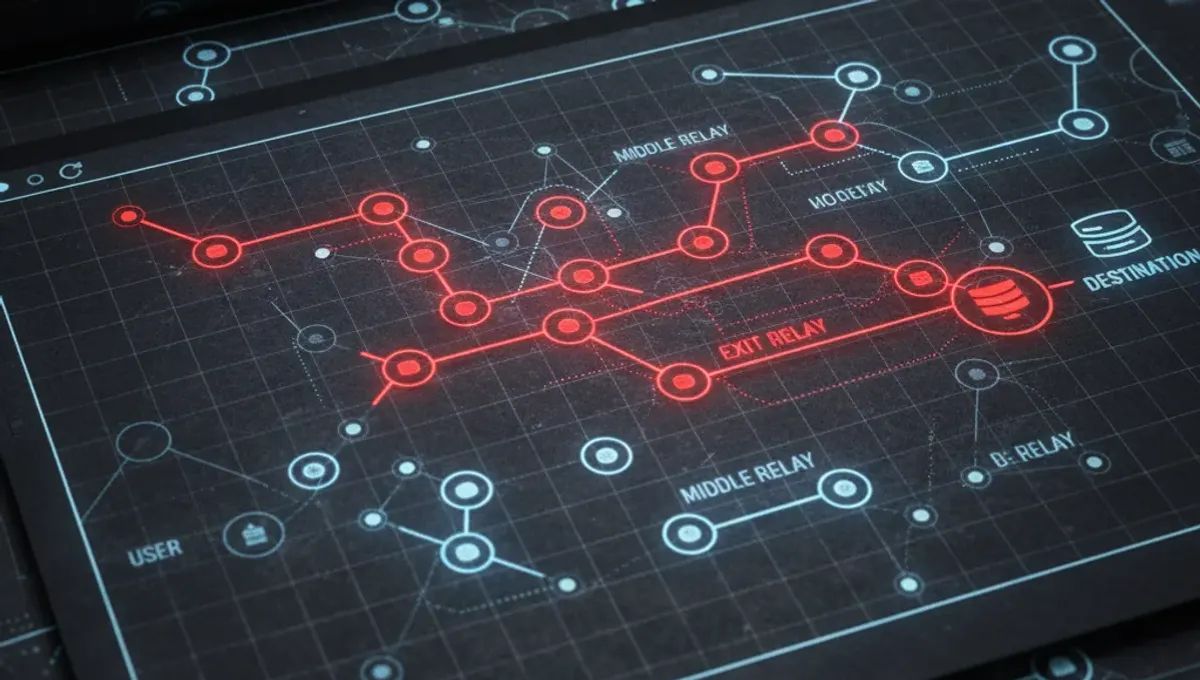
Deep web markets were online platforms built on the Tor network, designed to facilitate anonymous transactions. Unlike surface web marketplaces, they used cryptocurrency for payments and required users to access them through Tor Browser. The most well-known example, Silk Road, operated from 2011 to 2013 and became synonymous with illegal commerce. These markets typically featured vendor ratings, escrow systems, and forums where buyers and sellers communicated.
The infrastructure relied on several technical layers. Vendors uploaded product listings, buyers placed orders, and the marketplace held cryptocurrency in escrow until the transaction completed. Many markets used multi-signature wallets to reduce the risk of theft by the marketplace operator. Some offered PGP-encrypted messaging so users could communicate without the platform seeing their conversations. The anonymity provided by Tor made these platforms attractive to people buying and selling items that were illegal in most jurisdictions.
Major Markets and Their Documented Fates
Silk Road, operated by Ross Ulbricht, was shut down by the FBI in 2013 after a two-year investigation. Ulbricht was arrested, convicted, and sentenced to life imprisonment. The seizure of Silk Road demonstrated that even Tor-based marketplaces could be traced through operational security failures and blockchain analysis.
Alphabay, which launched around 2014, grew to become one of the largest dark web markets before it was shut down in 2017. Law enforcement agencies from multiple countries coordinated the takedown. Hansa, another major market, was also seized in 2017. These closures were followed by a pattern: new markets would emerge, operate for months or years, and then be targeted by law enforcement or exit scammed by their operators. The cycle repeated because the barriers to launching a new marketplace were relatively low, even though the legal risks were severe.
Why These Markets Attracted Users and Vendors
Deep web markets appealed to users seeking anonymity for both legal and illegal reasons. Some people used them to buy books, information, or services that were restricted in their home countries. Others sought privacy from surveillance. However, the vast majority of transactions involved controlled substances, stolen data, and forged documents. Vendors were attracted by the potential for profit and the reduced risk of physical arrest compared to street-level dealing.
The marketplace model itself created a false sense of security. Escrow systems and ratings suggested legitimacy and buyer protection. In reality, many transactions resulted in scams. Vendors would take payment and never ship products. Marketplace operators would disappear with user funds in exit scams. Buyers had no legal recourse and could not report fraud to authorities without incriminating themselves. This dynamic created an environment where trust was constantly tested and repeatedly broken.
Law Enforcement Response and Technical Takedowns
Law enforcement agencies developed sophisticated methods to identify and shut down deep web markets. The FBI's investigation into Silk Road involved analyzing blockchain transactions, monitoring Tor exit nodes, and using undercover agents. When Ulbricht made operational security mistakes, such as using his real email address and logging into accounts from non-Tor connections, investigators exploited those errors.
Blockchain analysis became increasingly important as law enforcement learned to trace cryptocurrency transactions. Even though Bitcoin transactions are pseudonymous, patterns of movement between addresses can reveal connections. Some markets attempted to use privacy coins like Monero to obscure transaction trails, but law enforcement adapted. Coordinated international operations, such as the takedown of Alphabay and Hansa, showed that agencies could work across borders to target these platforms. The message was clear: operating a deep web market carried severe legal consequences, including lengthy prison sentences.
Reality Layer: How These Markets Actually Failed
According to Tor Project documentation and public law enforcement press releases, the primary failure point for most deep web markets was operational security by the operator, not the technology itself. Silk Road's Ross Ulbricht made mistakes that allowed investigators to identify him; this matters because it shows that anonymity requires discipline and that even sophisticated platforms can be compromised by human error.
Second, blockchain analysis has become a standard law enforcement tool. Court records from multiple prosecutions show that cryptocurrency transactions, while pseudonymous, leave traces that skilled analysts can follow. This matters because it means that using Bitcoin or other transparent cryptocurrencies on a deep web market does not guarantee anonymity.
Third, exit scams were endemic. Security-vendor incident reports and forum discussions document that many marketplace operators simply stole user funds and disappeared. This matters because it shows that even if a market avoided law enforcement, users faced significant financial risk from the operators themselves.
Fourth, international cooperation has made it harder for markets to operate. Public law enforcement press releases document coordinated takedowns involving agencies from multiple countries. This matters because it means that a market operating in one jurisdiction can still be targeted by authorities elsewhere.
Why Ordinary Users Should Understand This History
Understanding deep web markets is not about accessing them; it is about recognizing how anonymity technology can be misused and how law enforcement responds. If you use Tor for legitimate reasons, such as accessing information in a censored country or protecting your privacy from commercial surveillance, you benefit from the same technology that powered these markets. Knowing how they failed teaches you about operational security.
The history also illustrates why phishing and scams are rampant on the dark web. When users cannot trust the marketplace operator or verify the legitimacy of vendors, they become targets for fraud. Phishing clones of popular markets proliferate because users are desperate to find a working version. This dynamic applies to any anonymous online space where trust is difficult to establish. The lesson for ordinary users is that anonymity alone does not create safety; it requires additional layers of verification and caution.
Distinguishing Between Legitimate Tor Use and Illegal Markets
Tor Browser itself is a legitimate tool maintained by the Tor Project. It is used by journalists, activists, and ordinary people who need privacy. Using Tor is legal in most countries. However, using Tor to access illegal marketplaces or to buy controlled substances is illegal in virtually all jurisdictions.
If you are researching deep web markets for security awareness, academic purposes, or professional reasons, you can learn about them through published reports, court documents, and news coverage without accessing any marketplace. Law enforcement agencies, security researchers, and journalists have documented how these platforms operated. This information is publicly available and does not require you to visit the dark web.
If you are concerned that your personal information has been compromised and may appear on the dark web, you can check through legitimate data breach notification services and by monitoring your financial accounts. You do not need to access dark web markets to do this. The Useful Resources page on this site provides guidance on safe monitoring practices.
What to Do If You Want to Learn More Safely
Start by reading published research and news coverage about deep web markets. Court documents from prosecutions like United States v. Ulbricht are public record and provide detailed technical information about how Silk Road operated. Security researchers have published analyses of market structures, cryptocurrency flows, and law enforcement techniques.
If you use Tor for legitimate reasons, focus on operational security. Use Tor Browser from the official Tor Project website only. Keep your operating system and software updated. Use a dedicated device or virtual machine if possible. Never maximize your browser window, as this can reveal your screen resolution and make you easier to fingerprint. Disable JavaScript in Tor Browser settings. Use strong, unique passwords for any accounts you create.
If you are concerned about your own privacy and security, prioritize these steps: use a password manager, enable two-factor authentication on important accounts, monitor your credit reports, and use a VPN when accessing the internet from public networks. These practices protect you from the same threats that deep web users face, without requiring you to access the dark web.
Common Questions
What was the best deep web market that actually existed
Silk Road, which operated from 2011 to 2013, was the most well-known and largest deep web market at the time. It was shut down by the FBI in 2013 and its operator, Ross Ulbricht, was convicted and sentenced to life imprisonment. Alphabay, which operated from around 2014 to 2017, became one of the largest markets before it was also seized by law enforcement.
Are deep web markets still operating now
New markets emerge periodically, but most are eventually seized by law enforcement or exit scammed by their operators. The status of any specific marketplace changes frequently. Rather than searching for active markets, focus on understanding how to protect your privacy and security through legitimate means like using Tor Browser safely and maintaining strong operational security practices.
How did law enforcement shut down deep web markets
Law enforcement used a combination of techniques including blockchain analysis to trace cryptocurrency transactions, undercover operations, operational security mistakes by market operators, and international coordination between agencies. In many cases, operators made errors such as using their real email addresses or logging in from non-Tor connections, which allowed investigators to identify them.
Is it illegal to access deep web markets
Using Tor Browser is legal in most countries. However, accessing marketplaces to buy illegal items, such as controlled substances or stolen data, is illegal in virtually all jurisdictions. Even if you do not complete a purchase, browsing illegal marketplaces can expose you to law enforcement investigation and scams.
How can I check if my information is on the dark web
You can use legitimate data breach notification services and monitor your financial accounts for unauthorized activity. You do not need to access dark web markets to do this. The Useful Resources page on this site provides guidance on safe monitoring practices and tools that can help you determine whether your personal information has been compromised.