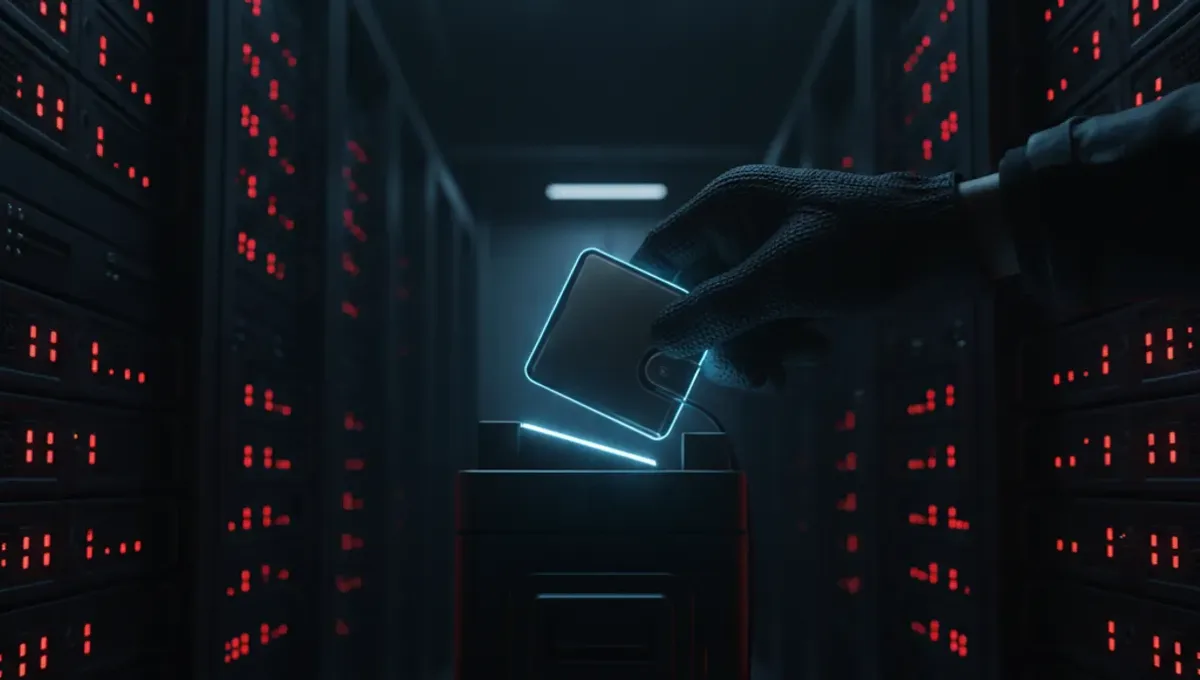
How Your Email Gets Onto the Dark Web
Your email address reaches the dark web through several common pathways. The most frequent source is a data breach at a company or service you use. When attackers compromise a database, they extract email addresses along with passwords, payment details, or other personal information. These stolen datasets are then uploaded to dark web forums and marketplaces, where they're bought, sold, or shared freely among criminals.
Another route is credential stuffing attacks. Hackers use leaked email and password combinations from one breach to attempt logins on other platforms. If successful, they harvest more data and sell it. Your email may also appear on the dark web if you've been part of a ransomware attack where a company's files were exfiltrated before encryption. In some cases, your information is simply aggregated from multiple public sources and compiled into a list for sale.
Common Data Breaches and Leaks
Large-scale breaches happen regularly across retail, financial, healthcare, and social media platforms. When a breach occurs, attackers typically extract millions of records at once. Your email is often the first piece of information they grab because it's a universal identifier that can be used to target you across multiple services.
Some breaches go undetected for months or years before being discovered. During that time, your compromised email on the dark web may already be in circulation. Security researchers and data monitoring services sometimes find these leaks and publish them to alert the public. Other times, a breach remains known only to the criminals who stole the data. The key point is that if your email is in the dark web, it likely came from a service you trusted, not from a mistake you made.
What Happens When Your Email Is Compromised
Once your email address is on the dark web, it becomes a target for multiple types of attacks. Criminals use it to send phishing emails that trick you into revealing passwords or clicking malicious links. They may attempt account takeovers on email providers, banking sites, or social platforms by using your email as the entry point.
Your compromised email on the dark web also makes you a target for spam, scams, and social engineering. Attackers know your email is real and active, so they prioritize it. If your email was leaked alongside a password, the risk is even higher because many people reuse passwords across accounts. This is why seeing your email is in the dark web should prompt you to change passwords on all critical accounts, not just the one that was breached.
Data Breach Monitoring and Detection
Several services allow you to check whether your email address is on the dark web or has appeared in known breaches. These tools work by monitoring dark web forums, paste sites, and leaked databases. When they find your email, they alert you and provide details about which breach or leak it came from.
To check if your email is on the dark web, you can use reputable breach notification services. Visit the Useful Resources page on this site for links to verified tools. Enter your email address and the service will search its database of known leaks. Some services also offer ongoing monitoring, sending alerts if your email appears in future breaches. Be cautious of fake monitoring sites that claim to check the dark web but actually harvest email addresses themselves. Stick to established services with transparent privacy policies.
Reality Check: How the Dark Web Leak Ecosystem Works
Understanding the actual mechanics of how data moves through the dark web helps you assess your real risk. According to security-vendor incident reports, stolen databases are typically posted to dark web forums in compressed archives or database dumps. Buyers download them, extract the data, and use it for targeted attacks or resale. This process means your email may be accessed by dozens or hundreds of different criminals over time.
Law-enforcement press releases document that many breaches go unpatched for extended periods, allowing criminals to extract data repeatedly. This matters because it means your email could have been compromised multiple times from the same source. Additionally, Tor Project documentation clarifies that the dark web itself is neutral infrastructure; the fact that data appears there reflects criminal activity, not a flaw in Tor. Your email being on the dark web is a symptom of a breach elsewhere, not proof that your device or accounts are currently compromised.
Steps to Take If Your Email Is on the Dark Web
If you've confirmed that your email address is on the dark web, follow these actions in order:
- Change your password for the email account itself using a strong, unique password.
- Enable two-factor authentication on your email account if it isn't already active.
- Review your email account's login history and active sessions; sign out any unfamiliar devices.
- Change passwords on all accounts that use this email address, starting with financial and banking services.
- Check your credit report for unauthorized accounts or inquiries; consider placing a fraud alert with credit bureaus.
- Set up breach monitoring to receive alerts if your email appears in future leaks.
- Be extra cautious of phishing emails and unsolicited contact claiming to be from companies you use.
Do not panic if you see your email on the dark web. The presence of your email alone does not mean your accounts are currently compromised, only that your information was exposed at some point.
Protecting Yourself Going Forward
The fact that your email is in the dark web is a reminder that data breaches are inevitable and widespread. You cannot prevent companies from being breached, but you can reduce the damage if it happens. Use a unique, strong password for every online account so that a breach at one service doesn't cascade to others. Enable two-factor authentication on all accounts that support it, especially email and financial services.
Consider using a password manager to generate and store complex passwords securely. Use a separate email address for sensitive accounts like banking and email recovery, distinct from the one you use for shopping or social media. Monitor your credit and financial accounts regularly for suspicious activity. If you receive an email claiming to be from a company asking you to verify your password or payment details, go directly to the company's official website rather than clicking links in the email. These practices won't prevent your email from appearing on the dark web in future breaches, but they will limit the harm attackers can do with it.
Common Questions
How do I know if my email is on the dark web
Use a breach monitoring service to search for your email address against known leaked databases. These services scan dark web forums and paste sites for your information. Visit the Useful Resources page on this site for links to reputable tools. If your email is found, the service will tell you which breach or leak it came from.
Is it dangerous if my email is on the dark web
Your email being on the dark web means your information was exposed in a breach, but it doesn't automatically mean your accounts are compromised. However, it does increase your risk of phishing, spam, and targeted attacks. Change your password immediately and enable two-factor authentication to reduce the danger.
Can I remove my email from the dark web
Once data is posted to the dark web, you cannot remove it. However, you can limit the damage by securing your accounts and monitoring for misuse. Focus on protecting yourself going forward rather than trying to erase the leaked data, which is not feasible.
What should I do if my email and password are on the dark web
Change your password immediately on that account and on any other account that uses the same password. Enable two-factor authentication if available. Review your account activity for unauthorized access. Change passwords on all other accounts to unique values so that the leaked password cannot be used elsewhere.
Why do criminals sell email addresses on the dark web
Email addresses are valuable because they are universal identifiers that can be used to target people across multiple platforms. Criminals use them for phishing, account takeovers, spam, and social engineering. Verified email lists command higher prices because they are confirmed to be active and real.