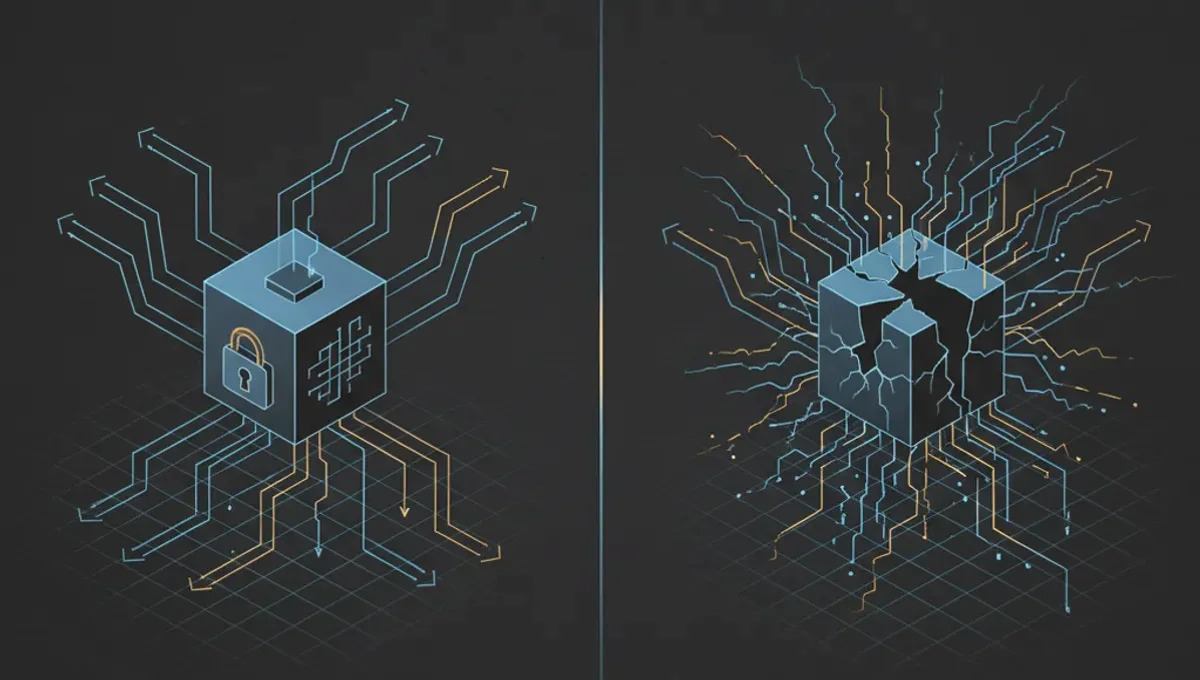
What Is a Dark Web DDoS Service
A dark web DDoS service is a criminal offering where an operator rents access to a botnet or attack infrastructure to launch distributed denial-of-service attacks against a target. The buyer specifies a website, IP address, or online service, pays in cryptocurrency, and the operator floods the target with traffic from multiple sources until it becomes unreachable. Most services are advertised on dark web forums and marketplaces, often alongside dark web escrow service offerings to handle payment disputes. The attacker remains anonymous, and the service operator profits without directly touching the target. Pricing varies widely: some charge per minute or per gigabit of traffic, others offer flat rates for a fixed duration. The barrier to entry is deliberately low, which is why DDoS attacks have become one of the most common forms of cybercrime.
How DDoS Services Operate on Darknet Marketplaces
DDoS service operators typically maintain a presence on dark web forums and marketplaces where they post advertisements with contact details, pricing, and service terms. A buyer contacts the operator via encrypted messaging, specifies the target, duration, and attack intensity, and sends payment in Bitcoin or Monero. The operator then launches the attack from a botnet, which is a network of compromised computers or IoT devices controlled remotely. Most services use a combination of volumetric attacks (flooding with raw traffic), protocol attacks (exploiting weaknesses in network protocols), and application-layer attacks (targeting specific web services). The attack typically lasts from minutes to hours, depending on what the buyer paid for. Many operators use a dark web search service to find new customers or monitor competitors. The entire transaction is designed to be pseudonymous, though law enforcement has successfully traced many operators through payment flows and server logs.
Why People Buy DDoS Attacks
DDoS attacks are hired for several reasons, ranging from competitive sabotage to extortion. A business competitor might pay to take down a rival's website during a critical sales period. Activists or political groups sometimes use DDoS as a form of protest or disruption. Extortionists launch small attacks against a target and then demand payment to stop, threatening larger attacks if refused. Disgruntled employees or customers occasionally hire attacks as revenge. Gaming communities have used DDoS to disrupt rival servers or tournaments. The psychological appeal is partly the low cost and perceived anonymity: a buyer believes they can harm a target without being caught. In reality, law enforcement agencies and cybersecurity firms track DDoS attacks routinely, and many buyers have been identified and prosecuted. The best dark web books on cybercrime history document cases where attackers thought they were anonymous but were caught through cryptocurrency tracing or server forensics.
Reality Layer: Detection, Law Enforcement, and Reliability
DDoS attacks are detectable by network monitoring tools and ISPs, which log unusual traffic patterns and can alert customers to ongoing attacks. According to Tor Project documentation and public law-enforcement press releases, dark web DDoS services are frequently operated by the same individuals who run other cybercrime services, and many have been arrested after years of operation. Court records from prosecutions show that operators often keep poor operational security, reusing email addresses, payment wallets, or server infrastructure across multiple services, creating forensic trails. Security-vendor incident reports consistently show that most dark web DDoS services are unreliable: buyers often report that attacks either don't occur, are weaker than promised, or stop without explanation. This matters because it means a buyer who pays for an attack has no recourse if the service fails, and the operator has no incentive to deliver quality. The low barrier to entry also means many services are scams designed to steal payment without launching any attack at all.
Recognizing and Mitigating DDoS Attacks
If your website or service is under attack, you will typically notice a sudden spike in traffic from many different IP addresses, slow response times, or complete unavailability. Network administrators can use the following approach to respond:
- Contact your ISP or hosting provider immediately and describe the symptoms.
- Enable DDoS protection services if available through your provider or a third-party service.
- Implement rate limiting and traffic filtering rules to block suspicious patterns.
- Monitor your logs for the attack's source IPs and geographic distribution.
- Document the attack timeline and traffic patterns for law enforcement if needed.
Most hosting providers offer DDoS mitigation as a standard or premium service, which filters malicious traffic before it reaches your infrastructure. Smaller attacks can often be absorbed by scaling your bandwidth temporarily. The best dark web browser for security research is Tor Browser, which you can use to read security advisories and threat reports, but never to contact DDoS service operators. If you are targeted, reporting the attack to law enforcement creates a record that may help identify the attacker if they are caught for other crimes.
Why DDoS Services Attract Law Enforcement Attention
DDoS services are a priority for law enforcement because they enable other crimes and cause measurable harm to businesses and critical infrastructure. An operator who rents botnets is often also involved in malware distribution, data theft, or ransomware campaigns. Tracing a DDoS attack back to its source involves analyzing traffic logs, identifying the botnet's command-and-control infrastructure, and correlating payment records with known criminals. Many dark web DDoS operators have been arrested after months or years of operation, often when they made a mistake like reusing a personal email address or failing to properly launder cryptocurrency. International law enforcement agencies coordinate on these cases because DDoS attacks cross borders. The Tor Project and other security organizations publish advisories about common attack vectors and botnets, which helps defenders understand the threat landscape. Knowing that DDoS services are actively monitored should deter casual buyers, but it does not eliminate the market because new operators constantly emerge to replace those who are arrested.
Safer Alternatives and Next Steps
If you are concerned about DDoS threats to your business, the most effective step is to implement a layered defense strategy before an attack occurs. Work with your hosting provider or a dedicated DDoS mitigation service to set up traffic filtering, rate limiting, and failover capacity. Monitor your network logs regularly using a top dark web search service to stay informed about emerging threats and botnets. If you suspect you are being extorted or threatened with an attack, report it to law enforcement and preserve all communications as evidence. Never pay an extortionist, as this only encourages further demands and does not guarantee the attacks will stop. For security professionals, understanding how DDoS services operate helps you design better defenses and recognize when your organization is being targeted. The key takeaway is that DDoS attacks are a real threat, but they are also preventable with proper preparation and monitoring.
Common Questions
How much does a dark web DDoS service cost
Prices vary widely depending on attack intensity and duration. Some services charge per minute or per gigabit of traffic, while others offer flat rates. Entry-level attacks might cost tens of dollars, while larger or longer attacks can cost hundreds. However, many advertised services are scams that take payment without delivering any attack.
Can I be traced if I hire a DDoS attack
Yes. Law enforcement traces DDoS attacks through cryptocurrency payments, ISP logs, and server forensics. Many buyers have been arrested after months or years. The anonymity of the dark web does not protect you from payment tracing or operational security mistakes made by the service operator.
What is the difference between a DDoS attack and a DoS attack
A DoS attack comes from a single source, while a DDoS attack comes from multiple sources simultaneously, making it harder to block. Dark web DDoS services use botnets to distribute the attack across many compromised devices, which is why they are more effective and more commonly hired.
How do I know if my website is under a DDoS attack
Signs include sudden spikes in traffic, slow response times, or complete unavailability. Your ISP or hosting provider can confirm an attack by analyzing traffic patterns. Most providers offer DDoS monitoring tools that alert you to suspicious activity in real time.
Are dark web DDoS services reliable
No. Security vendor reports and buyer complaints show that most services are unreliable or outright scams. Many attacks either do not occur, are weaker than promised, or stop without explanation. Buyers have no recourse because the service operates outside legal channels.