What Alice in Wonderland Onion Links Were
Alice in Wonderland was the name associated with several different onion services at different points in the dark web's history. The name itself became recognizable enough that it drew attention from both users and scammers. Like many early darknet services, the actual functionality and operators changed over time, and the address was not always the same. The whimsical name made it memorable, which is exactly why it became a target for phishing operations. When a service gains notoriety, impersonators create lookalike addresses with slight variations in the onion URL, hoping users will mistype or misremember the correct address. This pattern has repeated across many darknet markets and forums, from Alphabay onion links to ASAP onion link mirrors.
Why Phishing Clones Exploit This Name
Phishing on Tor works by exploiting human memory and trust. A user remembers hearing about Alice in Wonderland, searches for it, finds a clone, and assumes it's legitimate because the name matches. The attacker registers a similar onion address, copies the original site's design, and waits for visitors. Once someone logs in or deposits funds, the phishing site captures their credentials or cryptocurrency. This attack vector has been documented across multiple darknet markets, including historical cases involving Benumb onion link clones and Briansclub onion link impersonators. The lesson is that a memorable name alone proves nothing about legitimacy. Scammers understand that users often navigate by memory or casual search results rather than by verifying cryptographic signatures or checking official announcements.
How to Verify Any Onion Address
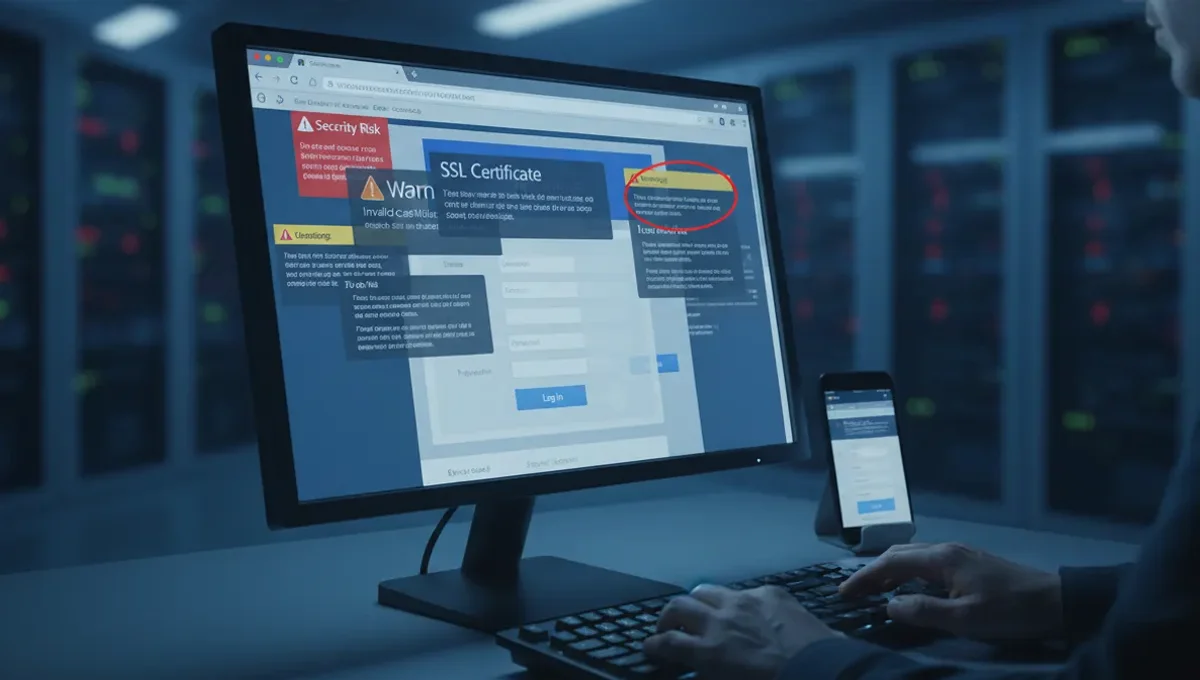
Verification requires multiple steps and cannot rely on a single method. Start by checking whether the service has an official PGP-signed announcement or a verified social media account outside Tor. Many legitimate darknet projects publish their onion addresses on their clearnet sites or in PGP-signed messages. Next, compare the onion address character-by-character with the official source. Onion URLs are 56 characters long (in the v3 format), and a single character difference means a completely different address. If you find the address in a forum post or comment, treat it as unverified until you cross-reference it with an official channel. Finally, check the site's SSL certificate details and look for any warning signs: poor design, requests for immediate payment, or pressure to act quickly are common phishing tactics.
The Broader Ecosystem of Spoofed Darknet Links
Alice in Wonderland is not alone. The same phishing pattern affects Alphabay onion link searches, ASAP onion link mirrors, and many others. Each time a darknet market or forum gains users, impersonators multiply. Law enforcement has documented this pattern in public statements about darknet marketplace seizures. The Tor Project's documentation on onion service security emphasizes that users must verify addresses independently, because Tor itself cannot prevent someone from registering a similar-looking address. This is a fundamental limitation of how onion addresses work: they are pseudonymous, and there is no central registry to check. Users who lose funds to phishing clones often discover too late that they were on a fake site. The cost of verification is a few minutes of careful checking; the cost of a mistake can be total loss of access to accounts or funds.
Common Mistakes When Searching for Onion Links
Most phishing victims make one or more of these errors. First, they search for onion links on clearnet search engines or Reddit threads, where phishing URLs are often posted alongside real ones. Second, they assume that if a site looks professional or has user reviews, it must be real. Third, they click links from forum signatures or chat messages without verifying them independently. Fourth, they confuse similar-looking addresses because they're scanning quickly. Fifth, they trust a link because someone else in a community vouched for it, without realizing that person may have been fooled too. To avoid these mistakes, always navigate directly from an official announcement or PGP-signed message. If you must search, cross-reference multiple independent sources and verify the address character-by-character before entering any credentials or sending any funds.
Why This Matters for Your Security
Phishing on Tor is not a theoretical risk. It has resulted in significant losses for users who thought they were accessing legitimate darknet services. The anonymity that Tor provides to legitimate users also protects scammers, making it harder for victims to recover funds or identify perpetrators. Law enforcement agencies have noted that phishing is one of the most common attack vectors on the dark web, often more profitable for criminals than running a legitimate marketplace. If you're researching darknet services for security awareness or academic purposes, understanding these phishing tactics is essential. If you're actually trying to access a specific service, the verification process is non-negotiable. No shortcut is worth the risk of losing access to accounts, cryptocurrency, or personal information.
Practical Steps to Stay Safe Today
Start by bookmarking only official announcements and PGP-signed addresses from verified sources. If you're looking for information about a specific onion service, check the Useful Resources page on this site for verified links and guidance. When you find an address, verify it against multiple independent sources before using it. If you're new to Tor, use Tor Browser's built-in security features and keep it updated. Consider using a dedicated virtual machine or a privacy-focused operating system like Tails for any darknet activity. Never assume that a link is safe because you found it in a forum or because it has a familiar name. The single most effective protection is treating every address as potentially fraudulent until you've verified it through an official channel. This mindset takes practice, but it's the difference between staying safe and becoming another phishing victim.
Common Questions
Is Alice in Wonderland onion link still active
The status of any onion service changes frequently. Services are seized, shut down, or exit scam. Rather than relying on this page for current status, check official announcements and PGP-signed messages from the project itself. If you find an address claiming to be Alice in Wonderland, verify it through multiple independent sources before trusting it.
How do I know if an onion link is real or a phishing clone
Compare the address character-by-character against an official source, such as a PGP-signed announcement or the project's clearnet website. Check for warning signs like poor design, requests for immediate payment, or pressure to act quickly. If the site asks you to log in immediately or deposit funds without verification, it's likely a phishing clone.
What should I do if I accidentally visited a phishing onion site
If you entered credentials or sent funds, assume that information is compromised. Change your password immediately on any other accounts that use the same credentials. If you sent cryptocurrency, contact the exchange or wallet provider to see if the transaction can be reversed. Do not send additional funds or information to the site.
Why are onion links so easy to fake
Onion addresses are pseudonymous and unregistered. There is no central authority that verifies who owns an address, so anyone can register a similar-looking one. This is a fundamental feature of Tor's design, not a flaw. It protects legitimate users' privacy but also enables phishing. Verification must happen at the user level, not the protocol level.
Where can I find verified onion links safely
Check the Useful Resources page on this site for verified links and official project announcements. Look for PGP-signed messages from the project's official accounts. Be cautious of links shared in forums, Reddit, or chat without independent verification. Official projects typically publish their addresses on their clearnet sites or in cryptographically signed statements.